Artificial intelligence has become one of the most transformative technologies of the modern digital era. From voice assistants and chatbots to automated translation and search engines, AI systems increasingly rely on their ability to understand and generate human language.
However, language is one of the most complex aspects of human communication. It contains grammar, context, ambiguity, cultural nuance, and constantly evolving vocabulary. Because of this complexity, language plays a central role in the development of modern AI systems.
In this article, we explore:
-
Why language is fundamental for artificial intelligence
-
How linguistic data powers AI systems
-
The connection between translation and AI development
-
Challenges in multilingual AI models
-
Why translators and language experts are still essential in the AI era
-
How translation tools and converters help manage language data
Why Language Is Central to Artificial Intelligence

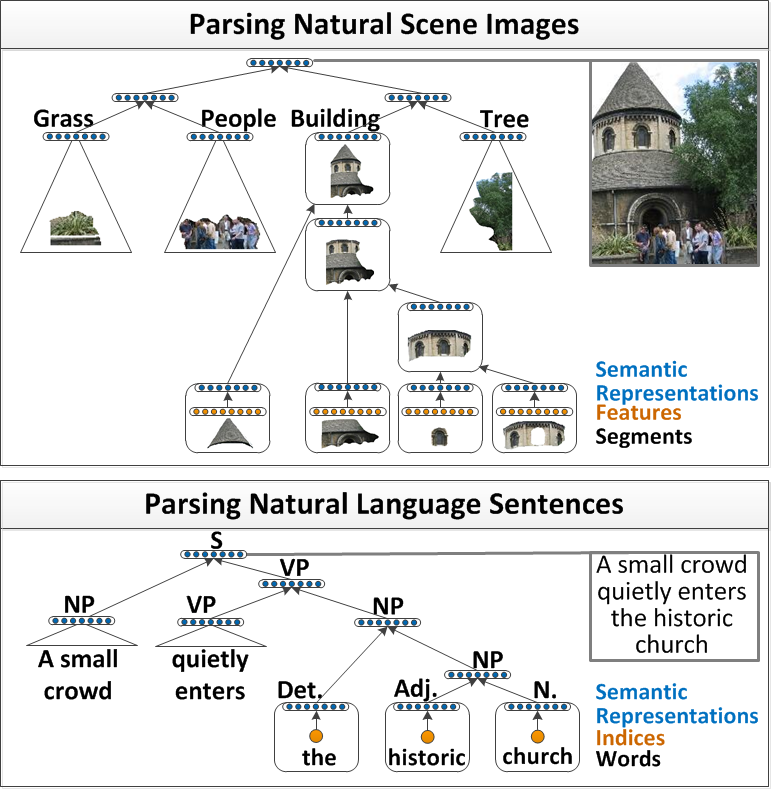
Artificial intelligence systems that interact with humans must process natural language. This field is known as Natural Language Processing (NLP).
NLP allows computers to perform tasks such as:
-
understanding written text
-
answering questions
-
generating sentences
-
translating languages
-
summarizing documents
-
detecting sentiment
Unlike traditional programming, where computers follow explicit rules, modern AI systems learn language patterns from large datasets.
These datasets include:
-
books
-
websites
-
translation corpora
-
technical documentation
-
multilingual databases
The larger and more diverse the dataset, the better the AI can understand language patterns.
How AI Learns Language
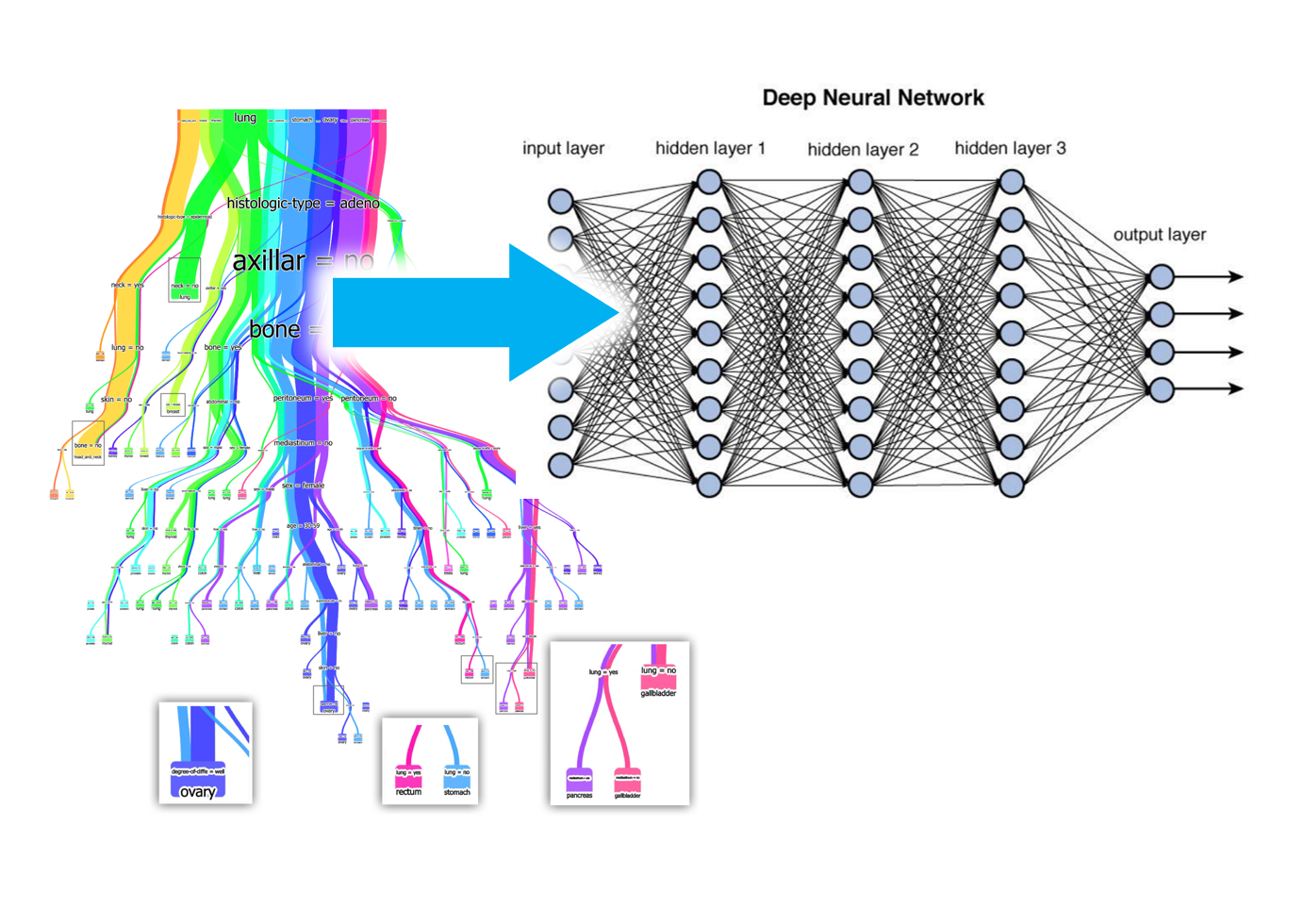
Modern AI language models use deep learning architectures, particularly transformer-based neural networks.
These models learn by analyzing billions of words and identifying patterns such as:
-
grammar structures
-
word relationships
-
semantic context
-
common phrase patterns
During training, the model repeatedly predicts the next word in a sentence. Over time, it learns how language works.
For example, a model might learn that:
-
"artificial" is often followed by "intelligence"
-
"machine learning" appears frequently in technical contexts
-
different languages follow different grammatical patterns
Through this process, AI systems gradually build statistical representations of language.
Multilingual Data and the Importance of Translation
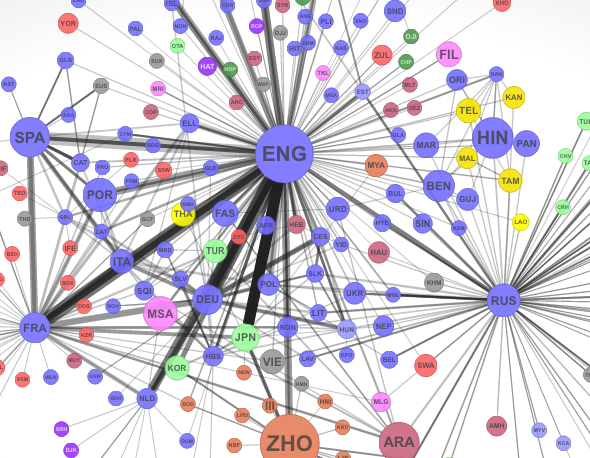
Most modern AI systems aim to work across multiple languages. This requires multilingual training data.
Translation plays a key role in this process.
Large multilingual datasets are often created from:
-
translation memories
-
parallel corpora
-
multilingual websites
-
international documentation
These datasets allow AI models to learn relationships between languages.
For example, a model can learn that:
English: artificial intelligence
Spanish: inteligencia artificial
German: künstliche Intelligenz
Because the model sees these pairs repeatedly, it learns how languages correspond to each other.
This is the foundation of neural machine translation systems used by many AI tools today.
Challenges of Language in AI Systems

Despite impressive progress, language remains one of the biggest challenges in artificial intelligence.
Ambiguity
Many words have multiple meanings depending on context.
Example:
"bank" can refer to a financial institution or the side of a river.
AI models must analyze surrounding context to determine the correct meaning.
Cultural Nuance
Language reflects cultural values, idioms, and traditions.
AI systems often struggle with:
-
idiomatic expressions
-
humor
-
cultural references
Domain-Specific Language
Technical fields often use specialized terminology.
For example:
-
medical terminology
-
legal vocabulary
-
engineering documentation
Without domain-specific training data, AI models may produce incorrect translations.
The Continuing Role of Linguists and Translators
Even with advanced AI systems, human language experts remain essential.
Translators and linguists contribute to AI development in several ways:
Training Data Creation
Professional translators generate high-quality bilingual datasets used to train AI models.
Quality Evaluation
Human experts evaluate machine translations and identify errors.
Terminology Management
Translators maintain terminology databases that ensure consistent language usage.
Cultural Adaptation
Human linguists ensure translations are culturally appropriate and meaningful.
Because language is deeply tied to human culture and communication, AI still depends on human expertise.
Translation Data and AI Development
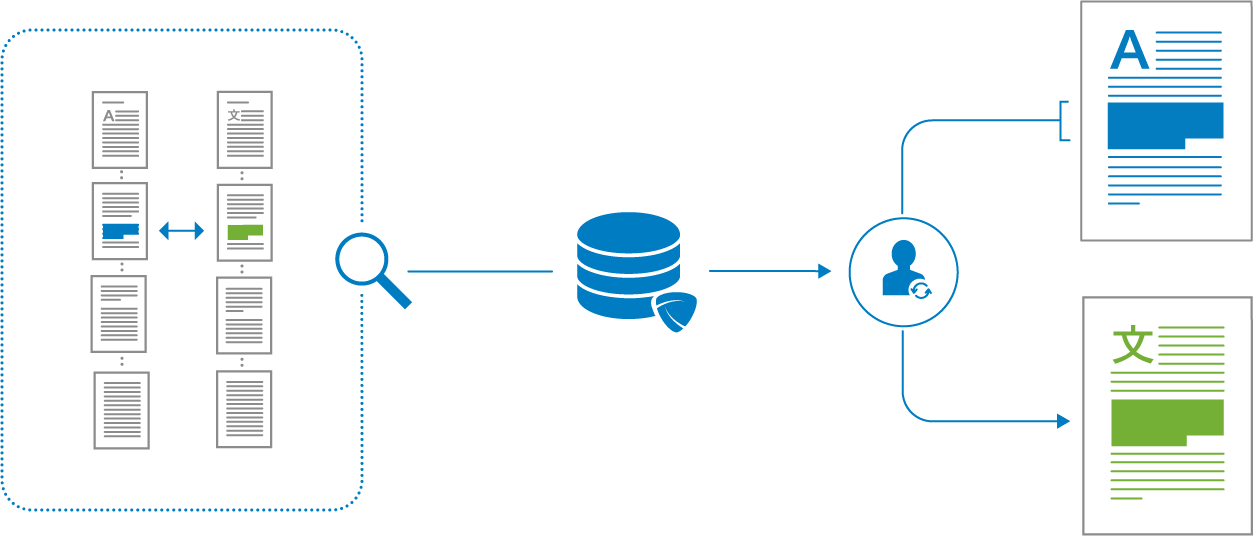
One of the most valuable resources for AI language models is translation data.
Translation memories used in CAT tools contain large collections of bilingual sentence pairs.
These datasets are extremely useful because they provide:
-
verified human translations
-
consistent terminology
-
structured bilingual content
However, translation memories are often stored in specialized formats such as:
-
SDLTM
-
TMX
-
SDLXLIFF
These formats are optimized for CAT tools but can be difficult to analyze outside the software environment.
Why Accessible Translation Data Matters
To analyze translation data effectively, linguists and researchers often convert CAT-tool files into more accessible formats.
Common formats include:
-
Excel spreadsheets
-
Word bilingual tables
-
structured datasets
These formats allow researchers and translators to:
-
analyze terminology usage
-
identify translation patterns
-
detect inconsistencies
-
review large translation datasets
Accessible translation data is also useful for AI research and model evaluation.
How linigu.cloud Supports Language Data Workflows

Tools that convert translation files into readable formats can significantly simplify data analysis.
For example, the SDL Studio Converter available on linigu.cloud allows users to quickly convert SDL Trados files into formats such as:
-
Word documents
-
Excel spreadsheets
This makes it easier to:
-
inspect translation segments
-
review bilingual content
-
analyze translation data outside CAT tools
-
collaborate with researchers or project managers
For translators and language professionals working with large datasets, such tools can make translation data far more accessible.
The Future of Language and AI

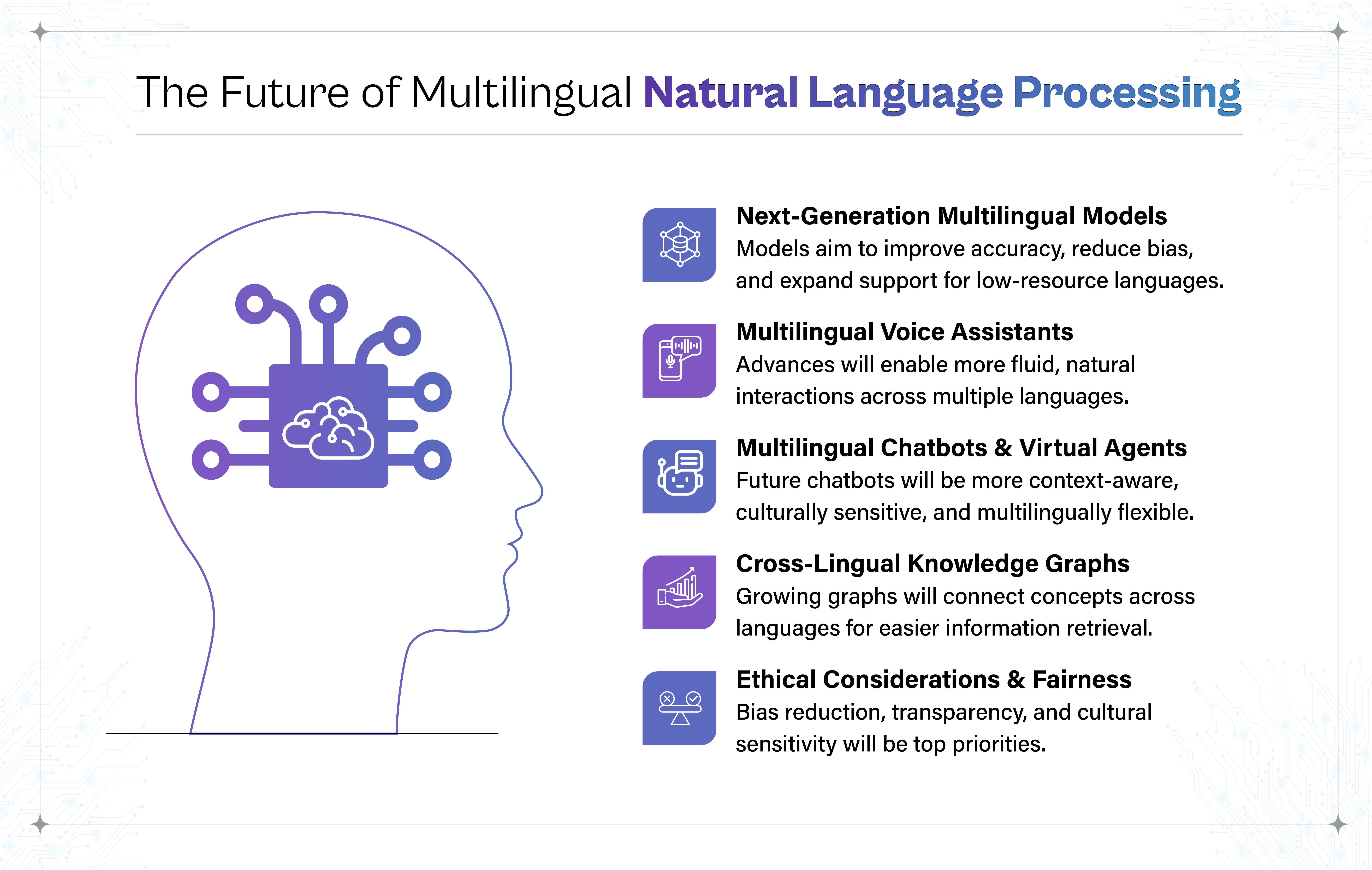
As artificial intelligence continues to evolve, language will remain one of the most important research areas.
Future developments may include:
More Accurate Multilingual Models
AI systems will become better at understanding multiple languages simultaneously.
Real-Time Translation
Speech translation and multilingual communication tools will become more seamless.
AI-Assisted Linguistic Research
AI may help analyze linguistic patterns across massive multilingual datasets.
Better Human-AI Collaboration
Language professionals will increasingly work alongside AI systems to improve communication technologies.
Conclusion
Language lies at the heart of artificial intelligence development. From chatbots and search engines to translation systems and digital assistants, AI technologies rely heavily on their ability to process human language.
However, language is complex, nuanced, and culturally embedded. This means AI systems still depend heavily on human expertise, linguistic knowledge, and high-quality translation data.
Translators, linguists, and language professionals therefore play a crucial role in shaping the future of AI.
By combining human expertise with powerful digital tools—and by making translation data accessible through solutions like the linigu.cloud SDL Studio Converter—language professionals can continue contributing to the advancement of AI-driven communication technologies.