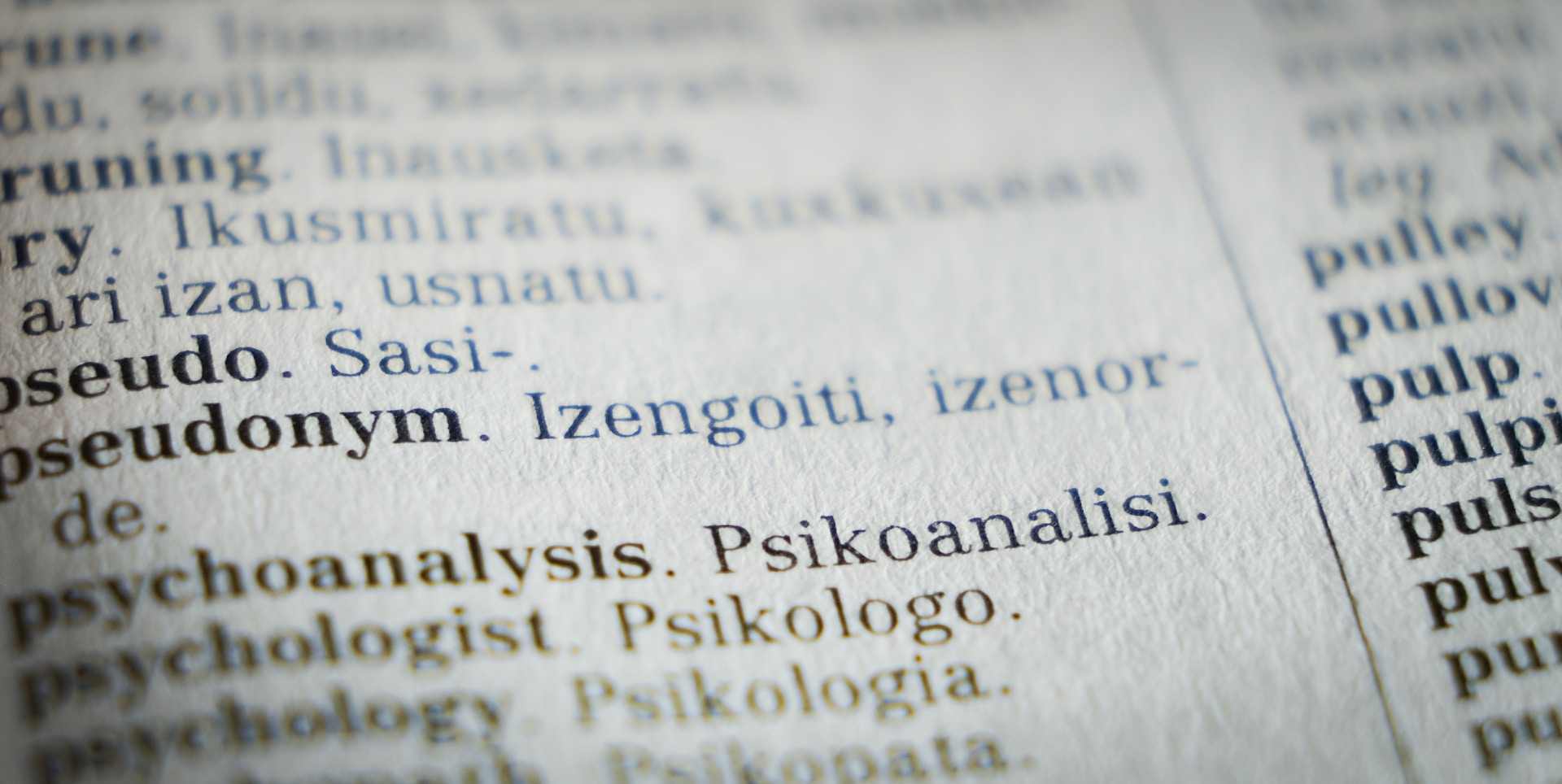
In our interconnected world, translation serves as an invisible bridge connecting cultures, enabling commerce, and making knowledge accessible across linguistic boundaries. But what exactly is translation, and why does it matter so much in the modern age? The answer reveals a complex interplay of language, culture, and human creativity.
Defining Translation
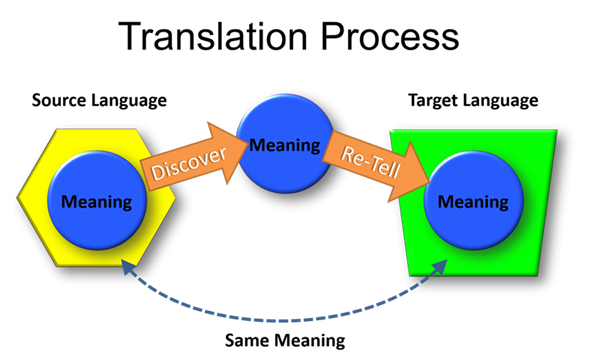
At its most basic level, translation is the process of converting written text from one language (the source language) into another language (the target language) while preserving the original meaning, style, and intent. However, this simple definition barely scratches the surface of what translation truly involves.
Translation is not merely a mechanical word-for-word substitution. It requires deep understanding of both languages, cultural contexts, subject matter expertise, and often creative problem-solving. A skilled translator must capture not just what the words say, but what they mean, how they feel, and what effect they're intended to have on the reader.
The Roman poet Horace described good translation as rendering texts "not word for word, but sense for sense," a principle that remains relevant two thousand years later. Translation seeks equivalence in meaning and impact rather than literal correspondence.
The Translation Process
Professional translation typically follows several stages. First comes analysis, where the translator reads and comprehends the source text, identifying its purpose, audience, tone, and any cultural references or specialized terminology.
Next is the transfer phase, where the translator renders the text into the target language. This involves making countless decisions about word choice, sentence structure, and how to handle cultural concepts that may not exist in the target language. Should a translator keep foreign terms or find local equivalents? How should they handle wordplay or poetry? These questions require both linguistic skill and creative judgment.
Finally comes revision and refinement. Professional translators review their work multiple times, often with fresh eyes after a break, checking for accuracy, fluency, consistency, and adherence to any style guides. Many translation projects also involve editors or proofreaders who provide additional quality control.
Types of Translation
Translation is not a one-size-fits-all discipline. Different types of content require different approaches and expertise.
Literary translation involves novels, poetry, plays, and other creative works. Literary translators are artists in their own right, recreating not just meaning but style, rhythm, wordplay, and emotional resonance. Translating poetry presents particular challenges, as translators must often choose between preserving meaning, maintaining poetic form, or capturing sound patterns—rarely can all three be achieved simultaneously.
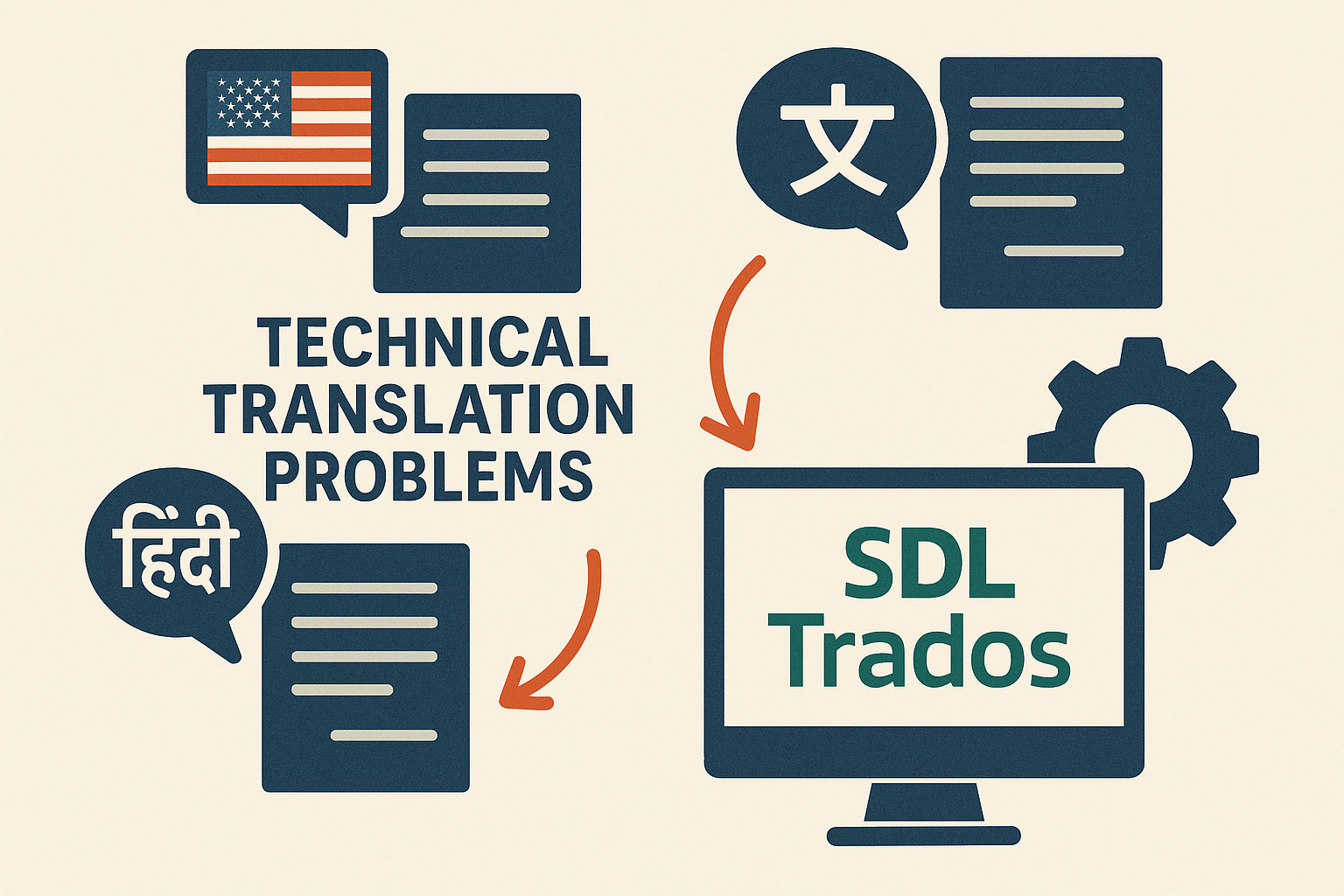
Technical translation deals with specialized documents like user manuals, scientific papers, engineering specifications, and medical texts. Technical translators need subject matter expertise and must prioritize accuracy and clarity above all else. A mistranslated medical dosage or engineering specification could have serious consequences.
Legal translation requires extreme precision and knowledge of legal systems in both source and target cultures. Contracts, patents, court documents, and legislation must be translated with meticulous accuracy, as even minor errors can have significant legal implications.
Business translation encompasses marketing materials, financial reports, corporate communications, and business correspondence. These translations must navigate cultural differences in business practices, persuasive techniques, and professional communication styles.
Audiovisual translation includes subtitling and dubbing for films, television, and video content. Translators must work within strict constraints of timing, screen space, and synchronization with visuals or lip movements.
Translation vs. Interpretation
People often confuse translation with interpretation, but these are distinct disciplines. Translation deals with written text and allows time for research, revision, and careful consideration. Interpreters, by contrast, work with spoken language in real-time, requiring quick thinking and different skills.
Both are essential language services, but they demand different training and aptitudes. Some language professionals excel at both, while others specialize in one or the other.
The Challenges of Translation
Translation presents numerous challenges that explain why it remains difficult to fully automate. Languages structure reality differently, containing words and concepts that don't exist in other languages. The German "Schadenfreude" (pleasure at another's misfortune) or the Japanese "komorebi" (sunlight filtering through trees) have no single-word English equivalents.
Cultural references pose another challenge. Translating a text filled with baseball metaphors into a language spoken where cricket is the dominant sport requires creative adaptation. Similarly, humor, idioms, and wordplay often resist direct translation and demand inventive solutions.
Maintaining tone and register across languages can be particularly tricky. Some languages have complex systems of formality and politeness that others lack. How does one translate formal Japanese into English, which has far fewer honorific distinctions? Or convey English informality in languages with more rigid formality structures?
The Human Element
Despite advances in machine translation technology, human translators remain essential for most professional purposes. Machines can process grammar and vocabulary but struggle with context, nuance, cultural sensitivity, and creative expression. A machine might translate words correctly while missing the entire point of a text.
Professional human translators bring cultural competence, subject expertise, and the ability to understand unstated implications. They can recognize when something is sarcastic, poetic, or technical. They understand that context determines whether "crane" refers to a bird or construction equipment.
Translation in the Modern World
Translation has never been more important. International business, scientific collaboration, legal proceedings, entertainment, and diplomacy all depend on effective translation. The global translation industry is worth billions of dollars and continues growing.
The internet has made translation more visible and accessible. Websites, apps, and social media platforms serve global audiences, requiring translation into dozens or hundreds of languages. Streaming services translate content worldwide, making Korean dramas popular in America and British shows beloved in Brazil.
Conclusion
Translation is both an ancient craft and a modern profession, combining linguistic expertise with cultural knowledge, technical skills with creative artistry. It's the process of carrying meaning across the boundaries that separate human communities, making the foreign familiar and the incomprehensible clear.
Far from being a mere technical exercise, translation is an act of communication and cultural exchange. It enables us to read literature from around the world, conduct international business, share scientific discoveries, and understand different perspectives. In doing so, translation enriches our lives and expands our understanding of human experience.
Whether rendered by skilled professionals working on literary masterpieces or applied to everyday business documents, translation remains an essential human activity that connects our diverse world and makes global understanding possible.

Comments ()
No comments yet. Be the first to comment!