Linigu Blog
Professional articles on translation, CAT tools, and language technology
Добро пожаловать в блог Linigu
Блог Linigu — это информационная платформа для профессиональных переводчиков и специалистов по локализации. Здесь вы найдете статьи о CAT-инструментах, таких как SDL Trados Studio, форматах файлов, терминологии и современных технологиях перевода.
linigu.cloud создан для решения практических задач переводчиков. В блоге мы объясняем, как работать с файлами SDL и как использовать Linigu SDL Studio Converter для быстрого просмотра файлов в формате Word или Excel.
Наша цель — помочь вам работать эффективнее и повышать качество перевода.
Proofreading a human translation and post-editing a machine translation may seem similar, but they require different skills, mindsets, and risk awareness. This article explains why.
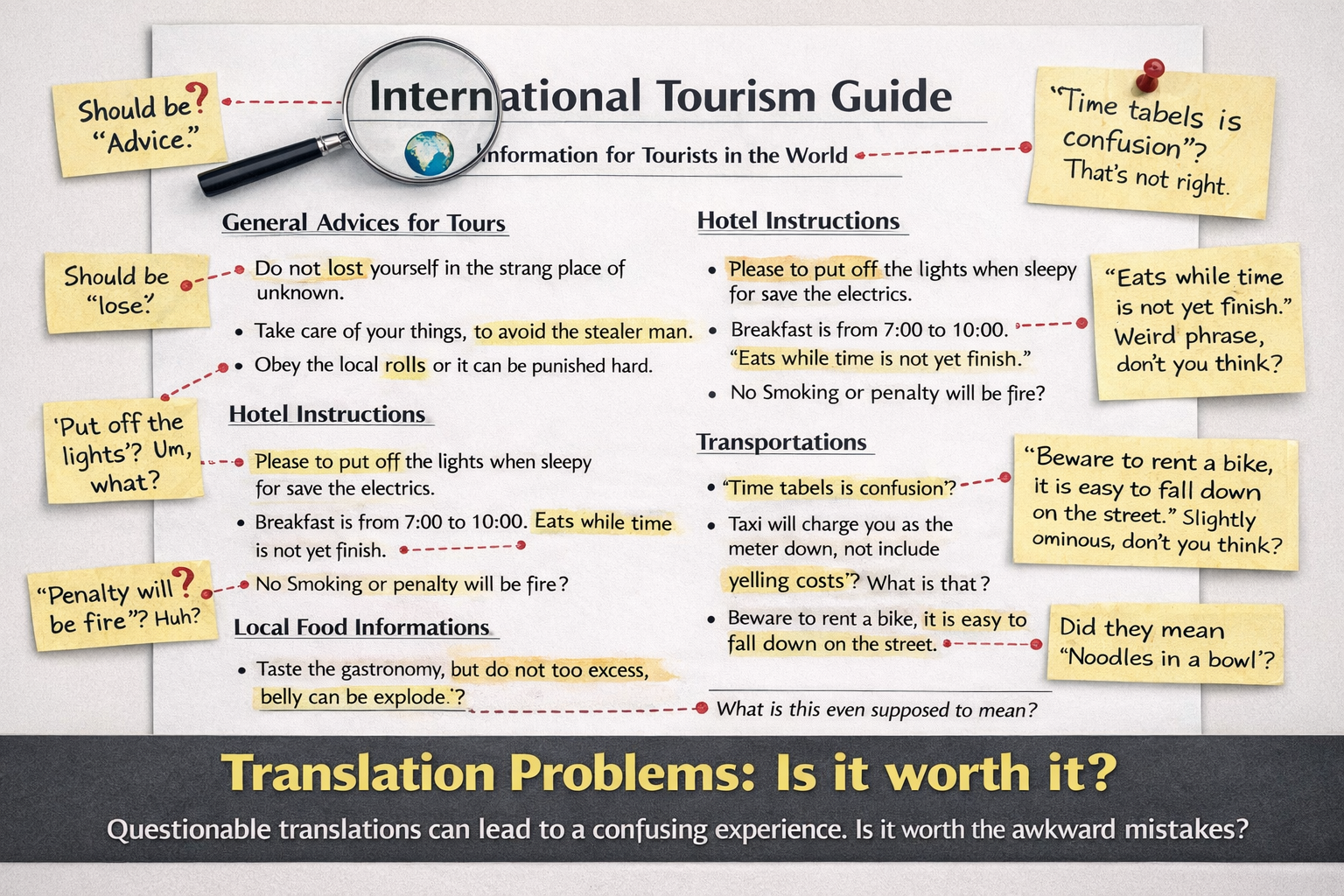
Using large language models like ChatGPT or Claude to translate entire PDF documents might seem convenient and cost-effective, but this approach introduces serious consistency problems that professional translators and organizations must understand. When the same document is translated multiple times by AI, terminology choices, tone, and sentence structures vary unpredictably—creating quality issues that undermine translation reliability and brand consistency.
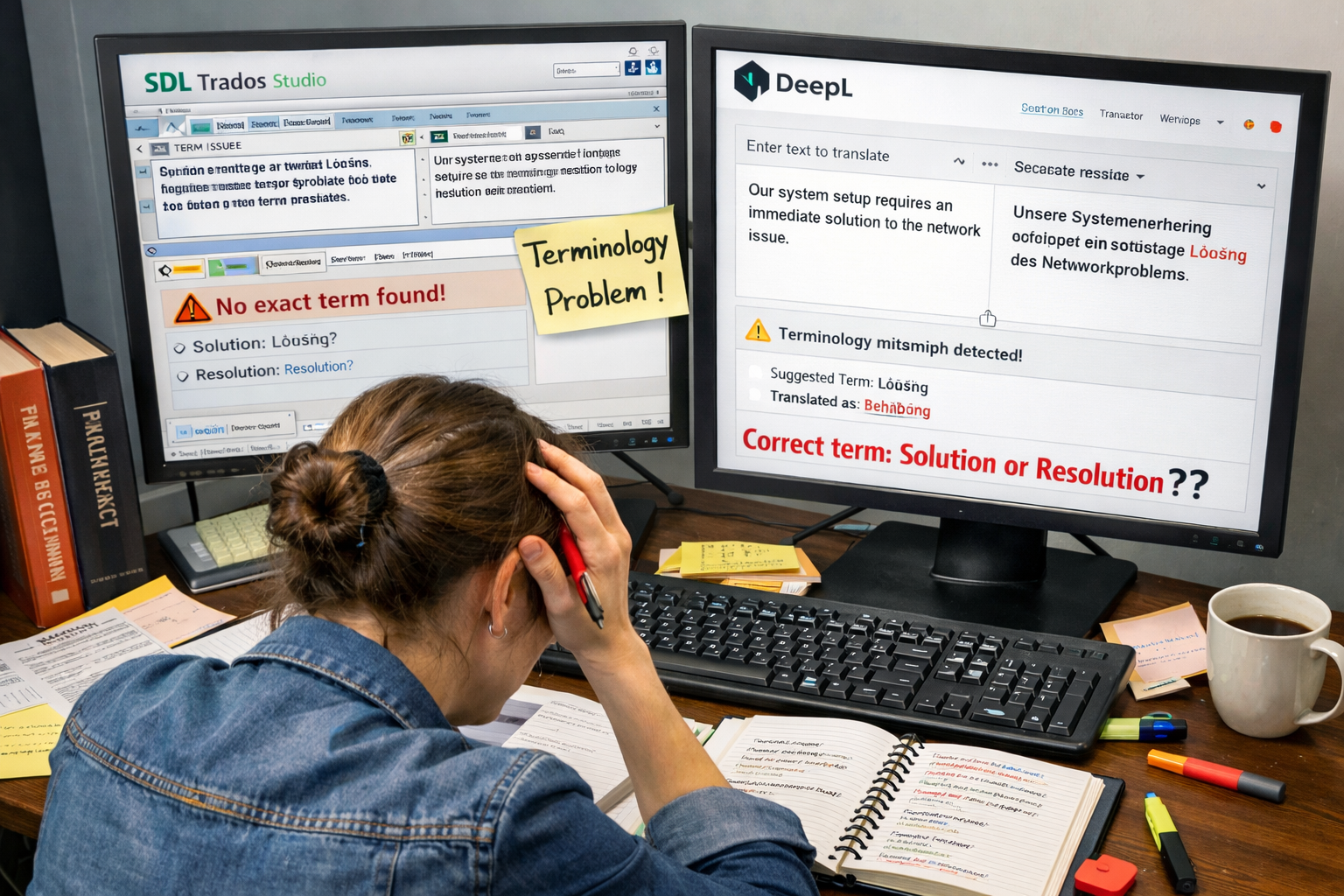
Integrating DeepL machine translation with SDL Trados Studio represents one of the most powerful combinations in modern translation technology. DeepL's superior neural machine translation quality paired with Trados's robust translation memory and terminology management creates workflows that dramatically accelerate translation. However, this integration introduces specific challenges, particularly around terminology consistency and quality control, that translators and project managers must unde
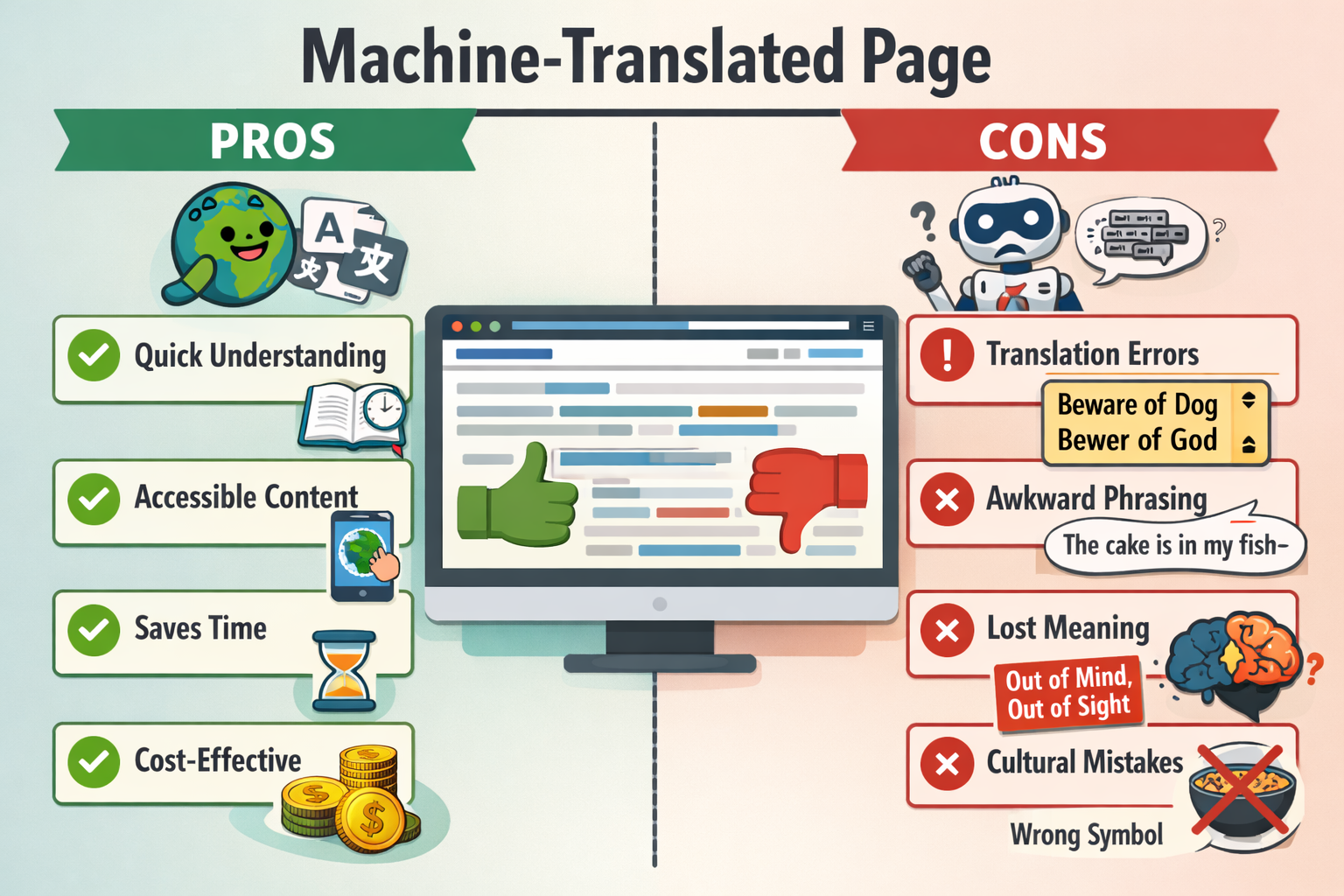
Machine translation has evolved from a curiosity to a practical tool used across industries worldwide. Modern neural machine translation systems produce remarkably fluent output, yet they also exhibit predictable weaknesses that limit their application. Understanding where MT excels and where it struggles enables organizations to deploy it effectively while recognizing when human expertise remains essential.