Linigu Blog
Professional articles on translation, CAT tools, and language technology
Linigu Blog'una Hoş Geldiniz
Linigu Blog, çevirmenler, yerelleştirme uzmanları ve dil teknolojileriyle ilgilenen profesyoneller için hazırlanmış bilgi merkezidir. Blogumuzda çeviri süreçleri, SDL Trados Studio gibi CAT araçları, dosya formatları, terminoloji yönetimi ve modern çeviri teknolojileri hakkında pratik içerikler bulabilirsiniz.
linigu.cloud, çevirmenlerin günlük hayatta karşılaştığı gerçek sorunlara çözüm üretmek amacıyla oluşturulmuştur. Bu blogda, karmaşık SDL Trados dosyalarının nasıl çalıştığını, teknik çeviri hatalarını ve Linigu SDL Studio Converter gibi araçlarla dosyaların Word veya Excel formatında nasıl incelenebileceğini detaylı şekilde ele alıyoruz.
İster deneyimli bir çevirmen olun ister mesleğe yeni başlayın, Linigu Blog iş akışınızı geliştirmek ve çeviri kalitenizi artırmak için hazırlanmıştır.
Proofreading a human translation and post-editing a machine translation may seem similar, but they require different skills, mindsets, and risk awareness. This article explains why.
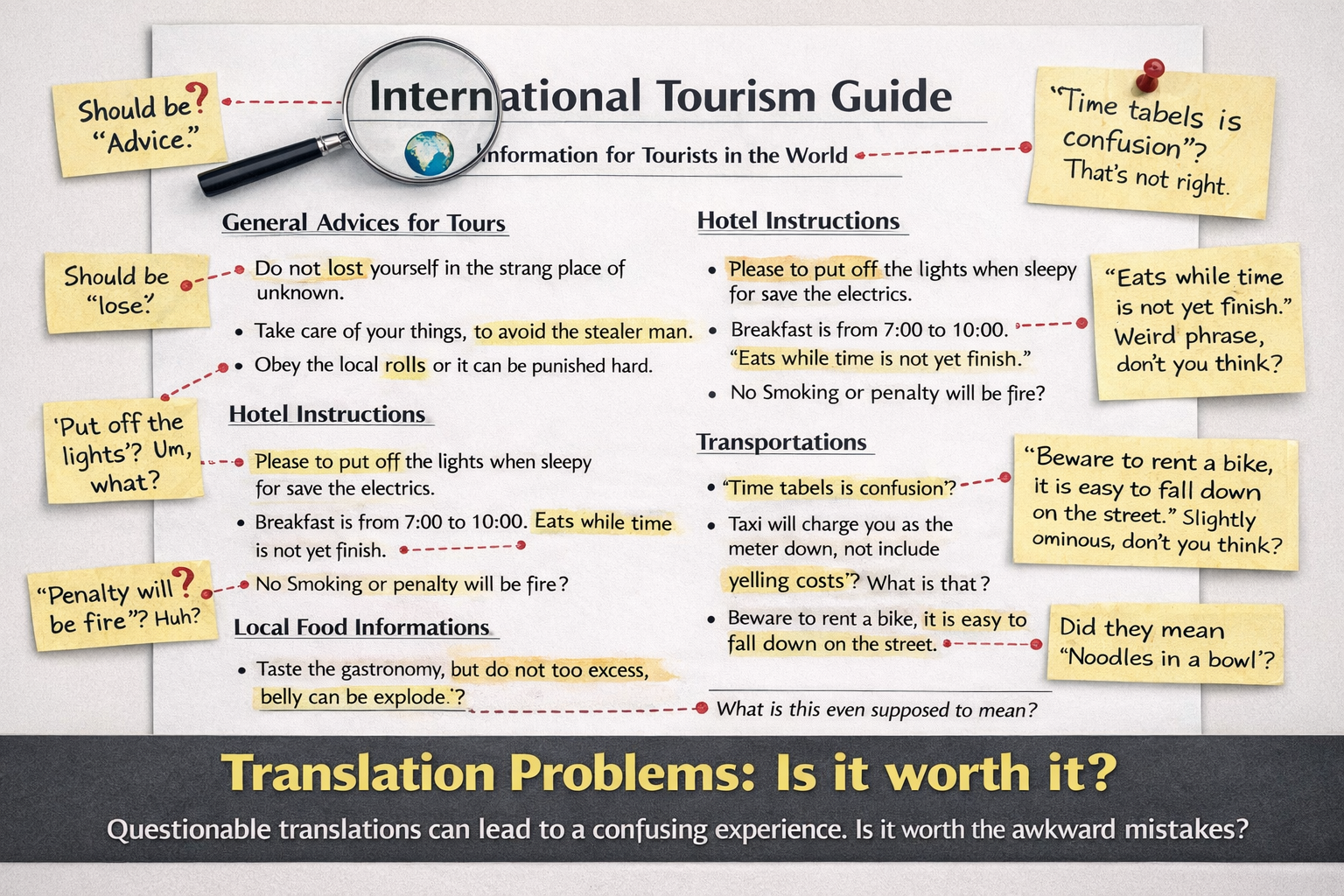
Using large language models like ChatGPT or Claude to translate entire PDF documents might seem convenient and cost-effective, but this approach introduces serious consistency problems that professional translators and organizations must understand. When the same document is translated multiple times by AI, terminology choices, tone, and sentence structures vary unpredictably—creating quality issues that undermine translation reliability and brand consistency.
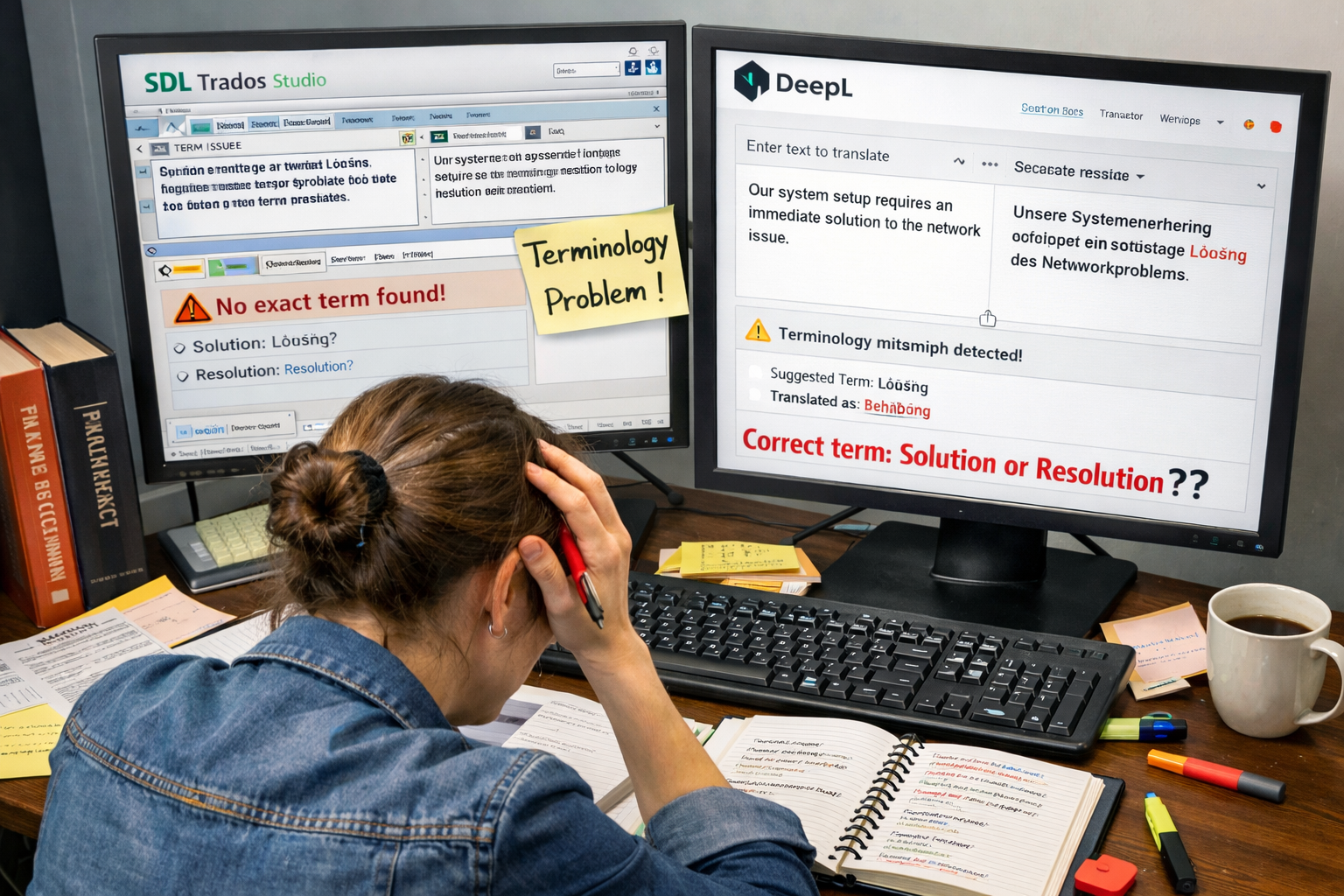
Integrating DeepL machine translation with SDL Trados Studio represents one of the most powerful combinations in modern translation technology. DeepL's superior neural machine translation quality paired with Trados's robust translation memory and terminology management creates workflows that dramatically accelerate translation. However, this integration introduces specific challenges, particularly around terminology consistency and quality control, that translators and project managers must unde
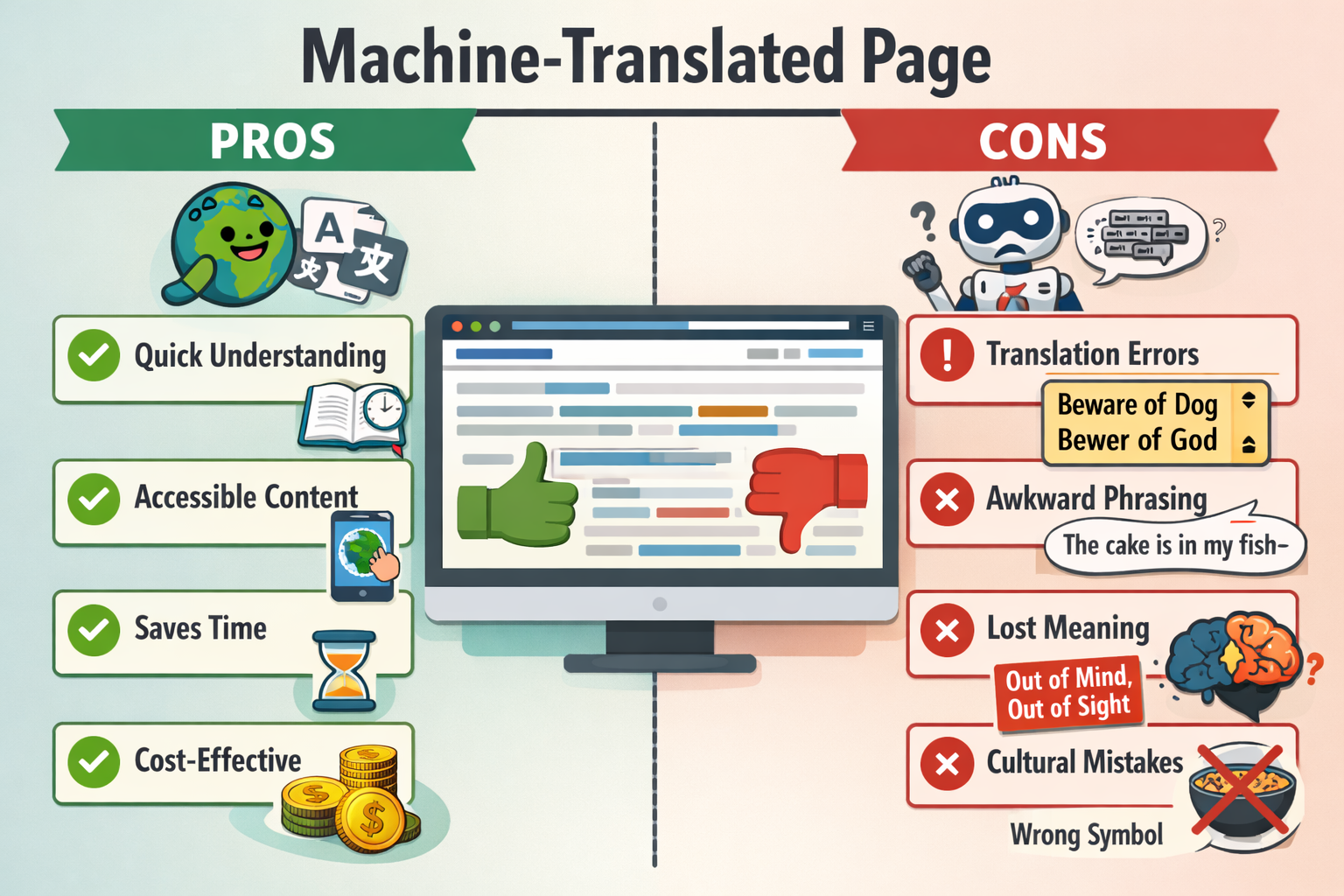
Machine translation has evolved from a curiosity to a practical tool used across industries worldwide. Modern neural machine translation systems produce remarkably fluent output, yet they also exhibit predictable weaknesses that limit their application. Understanding where MT excels and where it struggles enables organizations to deploy it effectively while recognizing when human expertise remains essential.